
Choosing the Right Backup Generator: Propane, Diesel, or Solar?
LIMITED
7/8/20245 min read
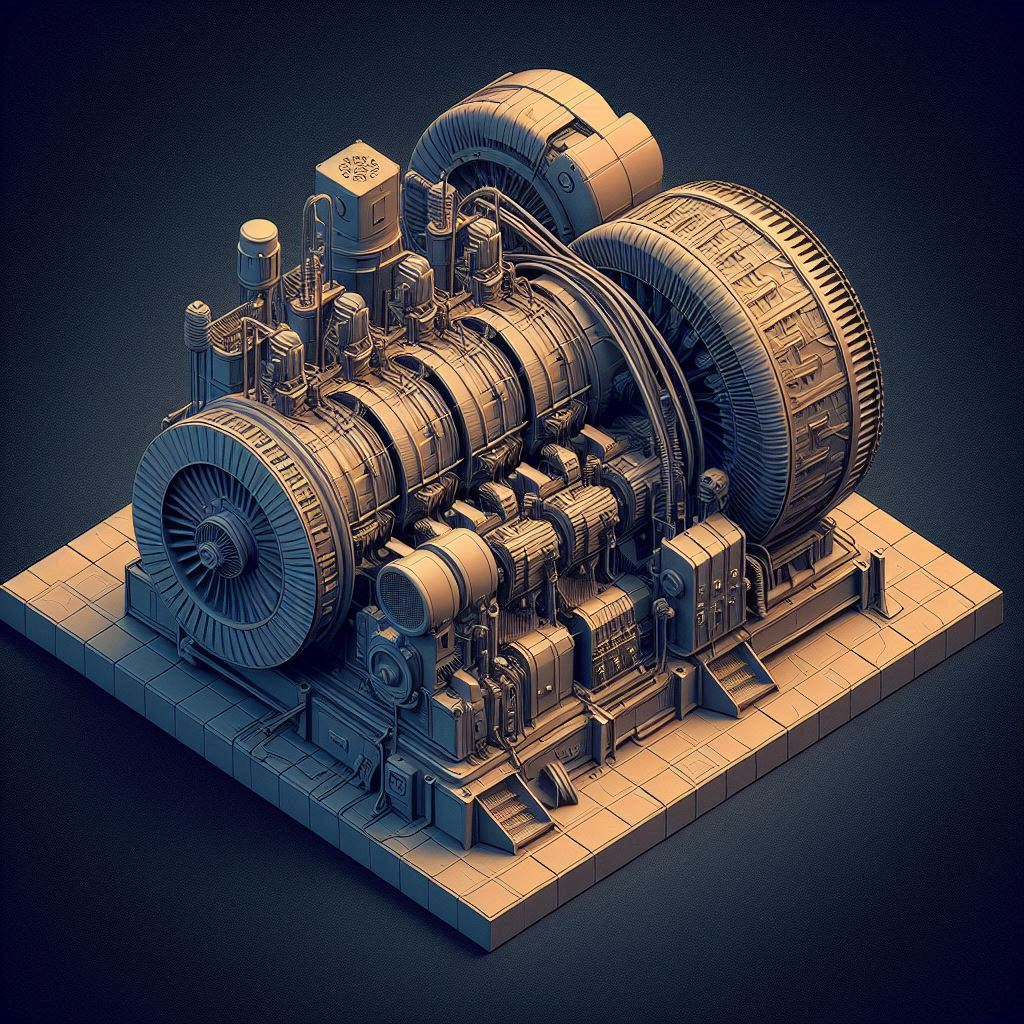
Types of Backup Generators: Propane, Diesel, and Solar
Backup generators come in various types, each with unique characteristics and functionalities. The three primary types are propane, diesel, and solar generators. Understanding the mechanics and benefits of each can aid in making an informed decision tailored to individual or business needs.
Propane Generators
Propane generators utilize liquid propane as their energy source. The propane is stored in tanks and converted into electrical energy through an internal combustion engine. One of the main advantages of propane generators is their fuel efficiency. Propane burns cleaner than other fossil fuels, resulting in less carbon monoxide and fewer particulates, making it an environmentally friendly option. Additionally, propane has a long shelf life, reducing the risk of fuel degradation over time. However, the storage tanks for propane can be bulky and require a fair amount of space. The need for regular refueling and the dependence on propane suppliers can also be seen as potential drawbacks.
Diesel Generators
Diesel generators operate by burning diesel fuel to power an internal combustion engine, which then generates electricity. These generators are renowned for their reliability and durability, often used in industrial and commercial settings. Diesel generators can provide a steady and robust power supply for extended periods, making them ideal for long-term use. Diesel fuel is widely available, which adds to the convenience of using these generators. However, they tend to be noisier compared to other types, and their emissions are higher, raising environmental concerns. The operational sound levels can be a significant issue in residential areas, and the maintenance requirements are typically more intensive.
Solar Generators
Solar generators harness energy from the sun, storing it in batteries for later use. This makes them the most eco-friendly option among the three types, as they produce no emissions and rely on a renewable energy source. Solar generators are silent during operation, making them suitable for residential areas and noise-sensitive environments. However, their efficiency is heavily dependent on sunlight, which can be inconsistent, especially in regions with less sun exposure. The initial setup costs for solar generators can be high, as they require solar panels, inverters, and batteries. Despite these costs, the long-term savings on fuel and low maintenance requirements can make them a cost-effective solution over time.
In summary, choosing the right backup generator involves balancing factors such as fuel efficiency, environmental impact, reliability, and cost. Propane generators offer a cleaner burn and efficient fuel use but require significant storage space. Diesel generators are reliable and widely used in commercial settings but are noisy and less environmentally friendly. Solar generators provide a sustainable and quiet power source but depend on sunlight and involve high initial costs. Assessing these factors in relation to specific needs will help in making the best choice for a backup power solution.
Portable vs. Permanent Generators: Making the Right Choice
When selecting a backup generator, understanding the distinction between portable and permanent (standby) generators is crucial. Portable generators are designed for mobility and are typically used for temporary power needs. They are versatile, cost-effective, and can be easily transported to different locations. These units are ideal for short-term use during power outages, camping trips, or construction sites. Installation requirements are minimal—usually, they just need a safe, outdoor space and proper fuel storage.
On the other hand, permanent generators are stationary units installed at a fixed location, such as a home or business. These generators are connected directly to the electrical system and are designed to automatically start during a power outage. They offer higher power output and are more reliable for extended periods without electricity. Installation of permanent generators requires professional assistance and involves setting up a transfer switch, ensuring compliance with local building codes, and providing a consistent fuel supply, whether it be propane, diesel, or natural gas.
Both types of generators come with their own set of benefits and drawbacks. Portable generators are often more affordable and flexible, making them a popular choice for those needing temporary power. However, they require manual operation and regular refueling, which might not be convenient during prolonged outages. Additionally, the power output of portable generators is generally lower than that of permanent ones, limiting their ability to run multiple high-wattage appliances simultaneously.
Permanent generators, while more expensive and requiring professional installation, offer seamless operation and higher reliability. They can automatically detect power loss and switch on, ensuring uninterrupted power supply for essential systems and appliances. This makes them an excellent choice for homes and businesses in areas prone to frequent or long-lasting outages. Moreover, permanent generators typically provide higher wattage and voltage capabilities, making them suitable for comprehensive power needs.
When choosing between portable and permanent generators, it is essential to consider your specific power requirements, budget, and the typical duration of outages in your area. By evaluating factors like wattage, voltage, and runtime, you can select a generator that fits your needs and ensures you are well-prepared for any power disruption.
Safety, Maintenance, and Switching: Key Considerations
Ensuring the safe and efficient operation of backup generators is paramount. For propane and diesel generators, proper ventilation is crucial to prevent the buildup of hazardous fumes. It is essential to place these generators in well-ventilated areas away from living spaces. Additionally, regular inspection of fuel lines and connections is necessary to prevent leaks and potential fire hazards. Safe fuel handling practices, such as storing fuel in approved containers and keeping it away from ignition sources, are also vital to mitigate risks.
Maintenance requirements vary across propane, diesel, and solar generators. Propane and diesel generators necessitate regular oil changes, typically every 50-200 hours of operation, depending on the manufacturer's recommendations. Battery checks should be conducted periodically to ensure that the generator can start when needed. For diesel generators, it is also important to monitor and replace fuel filters to maintain optimal performance. Propane generators, on the other hand, require periodic inspection of the fuel system for leaks and pressure issues.
Solar generators, while generally low-maintenance, do require some upkeep. Cleaning solar panels regularly to remove dust and debris ensures maximum efficiency. Checking the battery storage system periodically is also crucial to guarantee that it can hold and discharge energy effectively. Unlike fuel-based generators, solar generators do not require oil changes or fuel filter replacements, making them a more environmentally friendly option with fewer maintenance demands.
Switching systems for backup generators come in two primary types: manual and automatic. Manual transfer switches require the user to physically switch the power source from the grid to the generator during an outage, offering a cost-effective solution. However, this can be inconvenient and may result in a delay in power restoration. Automatic transfer switches (ATS) provide a more convenient and reliable option by automatically detecting power loss and switching to the backup generator within seconds. While ATS systems are more expensive, they offer peace of mind and uninterrupted power, which can be particularly beneficial for critical applications.
By understanding the safety precautions, maintenance requirements, and switching options for propane, diesel, and solar generators, individuals can make informed decisions to ensure their backup power systems operate safely and effectively during power outages.
This post contains affiliate links, as an amazon associate I earn from qualifying purchases
Wuts Up
Stay updated on new content and personal life updates.
Contact
© 2024. All rights reserved.